
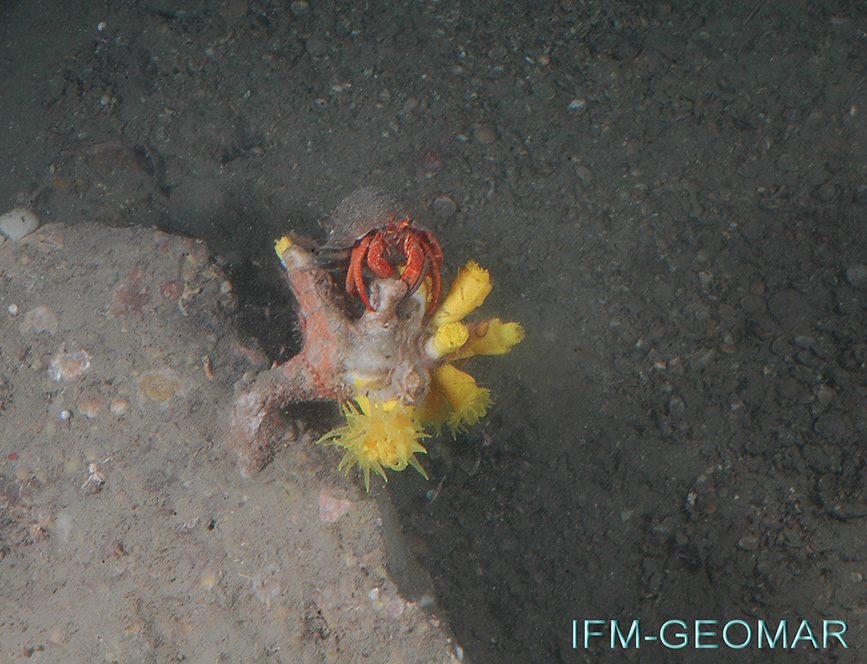
The multi stressor experiment to assess the impacts of global change to the cold-water coral (CWC) Dendrophyllia cornigera has successfully finished! Thanks to the strong collaboration between IEO-CSIC, Universitat de Barcelona and the Aquarium Finisterrae, we achieved our objective: over the last ten months, these corals have been carefully maintained at the Aquarium Finisterrae (A Coruña, NW Spain) in 24 experimental tanks, where they have been exposed to different environmental conditions to assess the single and multiple effects of warming, acidification and deoxygenation on their ecophysiological response.


The aquaria design and setup for such treatments were not easy, taking more than a year to implement and ensure stable conditions of temperature, pH and dissolved oxygen concentration in all of the tanks. Meanwhile 144 nubbins (the experimental unit that consists of a fragment of the colony with at least one polyp) were prepared and maintained in a husbandry aquarium until the start of the experiment. In April 2022, the acclimation of the nubbins to the different environmental scenarios started, and the parameters (i.e., temperature, pH and dissolved oxygen) were gradually modified over several weeks. Throughout the experimental time, growth, respiration, excretion and tissue changes of the D. cornigera nubbins were periodically measured. Over the last weeks of February 2023, the last ecophysiological measurements (i.e., growth, respiration and excretion) were carried out. Once the experiment finished, corals were flash-frozen in liquid nitrogen on sterile conditions, kept in the -80⁰C freezer and shipped in dry ice to GEOMAR (Kiel, Germany) for subsequent analyses to be conducted in collaboration with the coral expert Dr Marlene Wall. Currently, their DNA and RNA are being extracted with the aim of characterising the microbiome composition. The work in GEOMAR is being kindly supported by the COST Action MAF-World (CA20102) thanks to a Short-Term Scientific Mission granted to Cristina Gutiérrez-Zárate.
The results of this experiment will help to better understand the potential impact and interactions between these stressors on the performance of D. cornigera. It will also contribute to a better understanding of the vulnerability and resilience of CWC to global change.
Check out the final steps of the experiment on the following video:


